
Crypto Daily: Market Moves & Trump's Tariffs
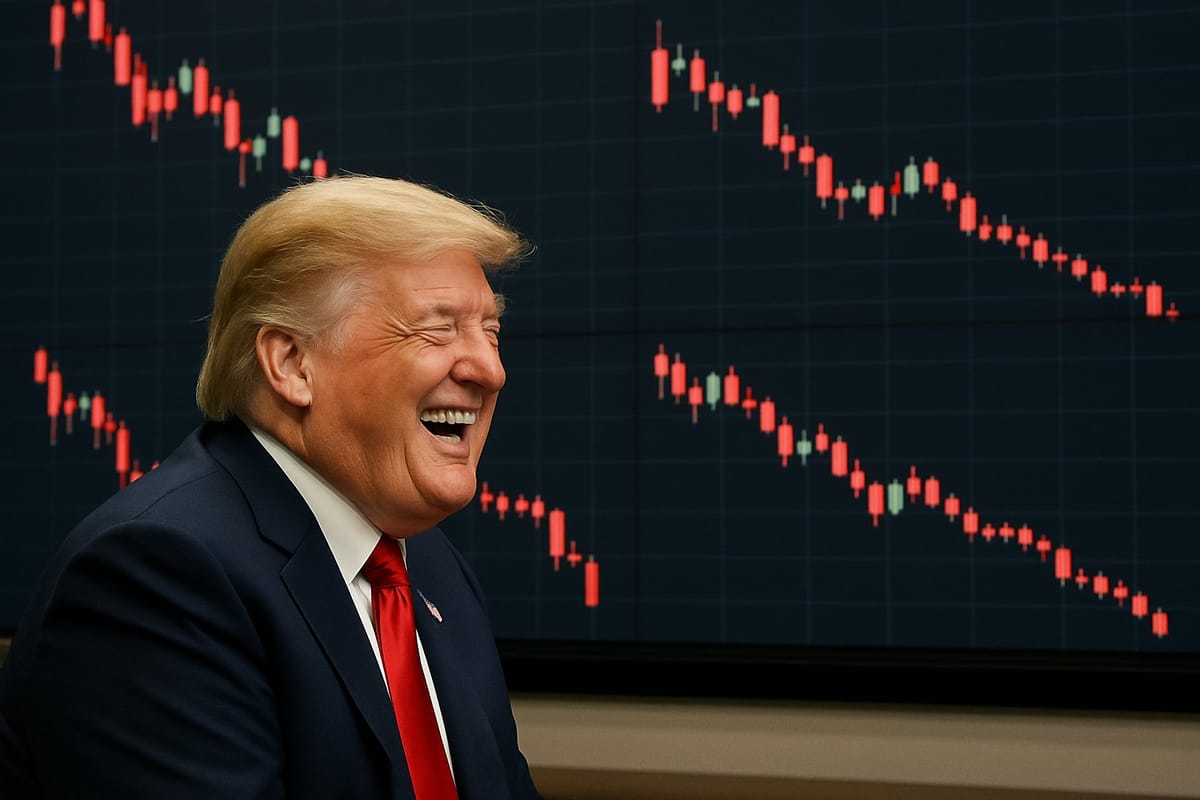
Donald Trump has just sparked a global trade war.
His new 10% base tariff doesn’t just affect foreign countries—it directly raises costs for everyday Americans while benefiting billionaires and the ultra-wealthy.
🔻 #Bitcoin plunged from $88.5K → $82.1K
💥 $507M liquidated from the crypto market in just 24 hours
📉 S&P 500 futures lost $2 TRILLION in just 15 minutes
Now, he’s extending tariffs to the UK, escalating tensions further.
President Donald Trump has initiated a series of aggressive tariff measures aimed at reshaping U.S. trade relationships and bolstering domestic industries. These actions have sparked significant global economic repercussions and drawn widespread criticism.
Background and Rationale
President Trump's longstanding belief in protectionist policies stems from his conviction that the U.S. has been disadvantaged in international trade. He asserts that imposing tariffs will protect American industries, reduce trade deficits, and address issues like illegal immigration and drug trafficking. Critics, however, argue that such measures risk escalating trade wars and harming the global economy.
Key Tariff Measures
- Tariffs on Canada, Mexico, and China (February 2025):
- A 25% tariff was imposed on imports from Canada and Mexico, and a 10% tariff on imports from China.
- Energy resources from Canada faced a lower 10% tariff.
- These tariffs were justified by the administration as necessary to combat illegal immigration and drug trafficking.
- Universal Tariff and Reciprocal Tariffs (April 2025):
- A 10% universal tariff on all imports was announced, effective April 5, 2025.
- Higher reciprocal tariffs were introduced for countries with significant trade deficits with the U.S., calculated based on the trade imbalance.
- Tariffs on the European Union (February 2025):
- A 25% tariff was imposed on goods imported from the European Union, further straining transatlantic trade relations.
Economic and Political Impact
- Domestic Consequences:
- Economists predict that these tariffs will lead to increased consumer prices, with an estimated 2.3% rise, costing U.S. households an average of $3,800 annually.
- The U.S. growth rate could decline by nearly a percentage point due to reduced trade activity.
- Global Reactions:
- Affected countries, including allies like Canada, Mexico, and the European Union, have announced retaliatory tariffs on U.S. exports.
- China has responded with tariffs on U.S. agricultural products and other goods, escalating trade tensions.
- Market Response:
- Global markets have reacted negatively, with significant drops in stock indices and the U.S. dollar's value.
- The S&P 500 futures experienced substantial losses shortly after the tariff announcements.